
Bangs4 min read
Should I get bangs?
Decide whether to get bangs by checking your hairline, styling routine, glasses and upkeep. Compare bangs with longer face-framing layers.Read the guide
Search all haircut guides, look profiles, decision tools, and topic desks.
GOOD HAIR. CONSIDERED.
Explore haircut ideas, compare bangs, bobs and layers, and find cuts for your hair type. Preview your shortlist on your own photo with Hair Muse for iPhone and iPad.
AI hairstyle try-on · iPhone & iPad
Real texture. Real routines.
Haircuts for the life you live.
 THE HAIRCHAPTER EDIT / 01
Editor's picks
Bangs4 min read
Cuts4 min read
Salon prep4 min read
THE LOOK FINDER / 3 MINUTES
Three choices to find a starting direction. Your stylist can then adapt it to your current length, texture, and density.
01 / ROUTINE
The HairChapter method
Face shape can refine a haircut, but it should not choose one for you. Start with the physical behavior of your hair and the practical reality of your routine.
Our rule Choose the cut that still makes sense on your least ambitious morning.
Straight, wavy, curly, and coily hair turn the same layer map into completely different shapes. Judge a cut in the texture you wear most often—not only after a salon blowout.
Fine strands and low density usually need a stronger outline. Dense hair often benefits from weight removal, but only where it will not create unwanted width or frizz.
A cut that depends on a round brush is not low-maintenance for an air-dry person. Decide what you will actually do on an ordinary morning before choosing the reference.
Short, sharp lines announce their growth quickly. Longer, softer shapes are more forgiving. The right cut should still look intentional a week before your next appointment.
The decision workbook
A haircut decision becomes easier when you make it in sequence. Work from your real starting point toward the visible change, then test the idea against daily styling and grow-out.
Begin with what happens after your usual wash, not what happens after a professional blowout. Note whether your roots sit flat or expand, where bends or curls begin, which sections dry first, and what you normally do with your hair on day two. This establishes the version of your texture the haircut must support most often. A useful cut can still be styled into something polished, but it should not become dependent on that polished finish to make sense.
Length, perimeter, layering, fringe, and internal weight are separate decisions. Pick the one change that matters most before combining several ideas. You might want to keep your length but release weight, preserve fullness while making the outline shorter, or leave the perimeter alone and add a face frame. Naming one priority prevents the consultation from becoming a collection of competing requests and makes it easier to judge whether a reference actually supports the result you want.
“Keep it long” means different things to different people. Decide where the shortest face-framing piece may land, where the perimeter should sit when the hair is dry, and whether you still need to tie it back. For curls and strong waves, discuss the dry position rather than relying only on stretched length. A clear boundary gives your stylist room to adapt the shape while protecting the part of the haircut that would be hardest for you to live with.
Many saved images sell a finish as much as a haircut: a round-brush blowout, tonged waves, diffused definition, flat-ironed shine, or carefully placed volume. Cover the face in the reference and study the outline, shortest layer, and ends. Then ask whether you like the underlying structure or primarily the styling. If the appeal disappears without the finish, include the styling time and tools in your decision instead of calling the cut effortless.
Picture the cut immediately after the appointment, after the first home wash, and near the end of its intended maintenance window. Ask what will become heavier, what will lose its line, and which section may need reshaping first. This does not require predicting every strand. It simply reveals whether you are choosing a precise shape you are happy to maintain or a softer shape that can change gradually without feeling unfinished.

READ THE SHAPE / 04 DETAILS
A reference becomes useful when you can isolate its architecture. Select a point on the image or use the index below to turn what you see into salon-ready language.
The perimeter is the lowest visible edge of the haircut. It can read solid and compact, softly curved, tapered, or deliberately broken—even when the internal layers are almost identical.
SAY IT IN THE CHAIR“Keep the outside line visually full. If weight needs to come out, I would rather remove it internally than make the last few centimeters wispy.”
THE TREND DECODER / SHAPE BEFORE NAME
Select a look to separate the recognizable idea from the choices that actually determine movement, fullness, maintenance, and the way it behaves at home.
01 / SHAPE STUDYAiry movement · long foundation
The name can hide very different layer maps. The recognizable effect usually comes from shorter face-framing pieces, a long perimeter, and a lifted finish—not from one standardized cutting pattern.
SAY IT IN THE CHAIR“I want the face-framing movement, but the long foundation matters more than maximum volume. Please keep the shortest layer connected and the perimeter substantial.”
THE VISUAL INDEX / 12 DIRECTIONS
A curated haircut lookbook you can filter by length, texture, and upkeep. Shortlist two directions, compare their structure, and take the stronger idea into Hair Muse or the salon.
Open the haircut lookbook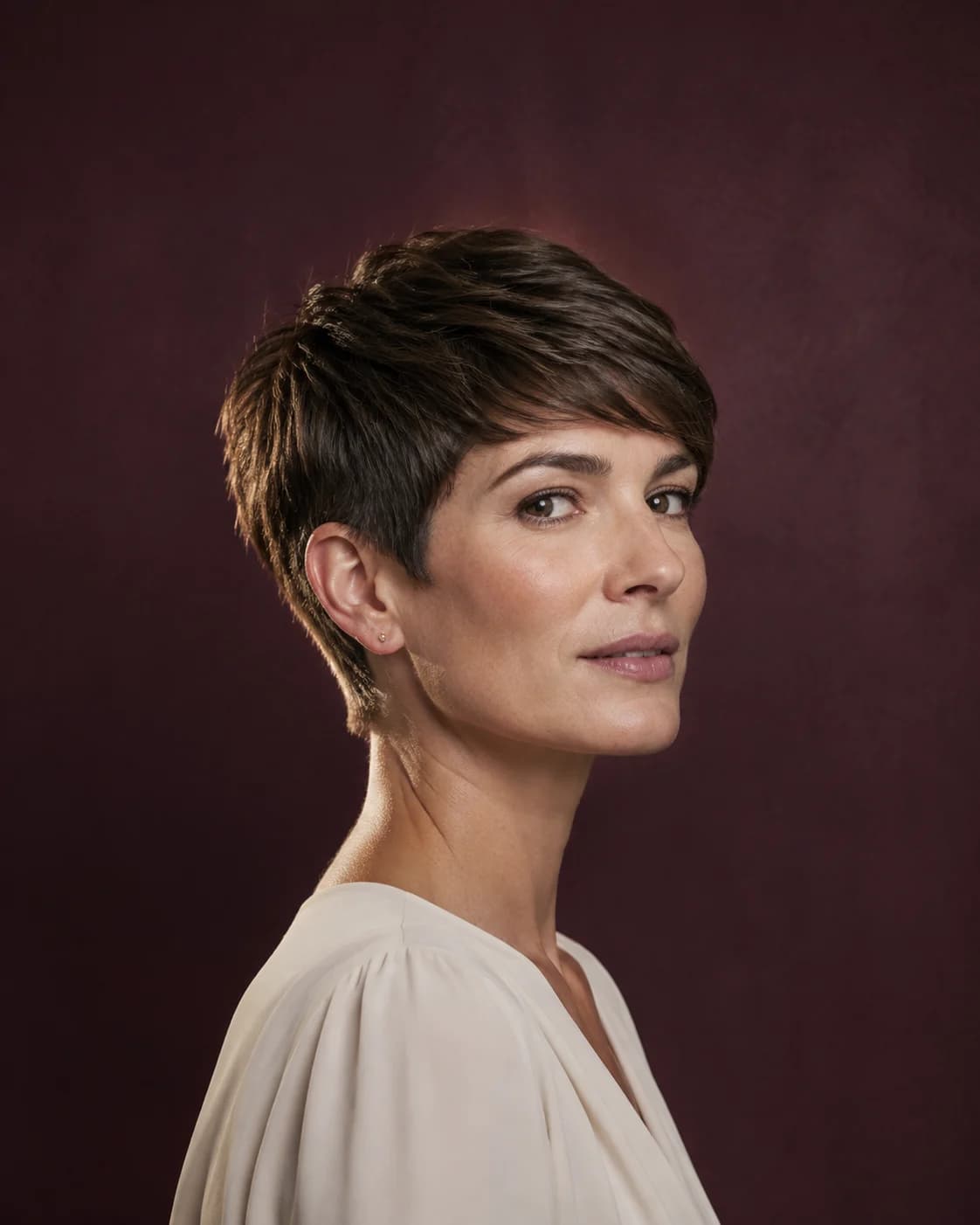

Three editorial desks
Each desk is a complete route through one kind of decision—so you can learn the method, compare the options, and leave with language that works in the chair.
01Compare length, perimeter, layers, movement, and grow-out before choosing the trend name.
Open the desk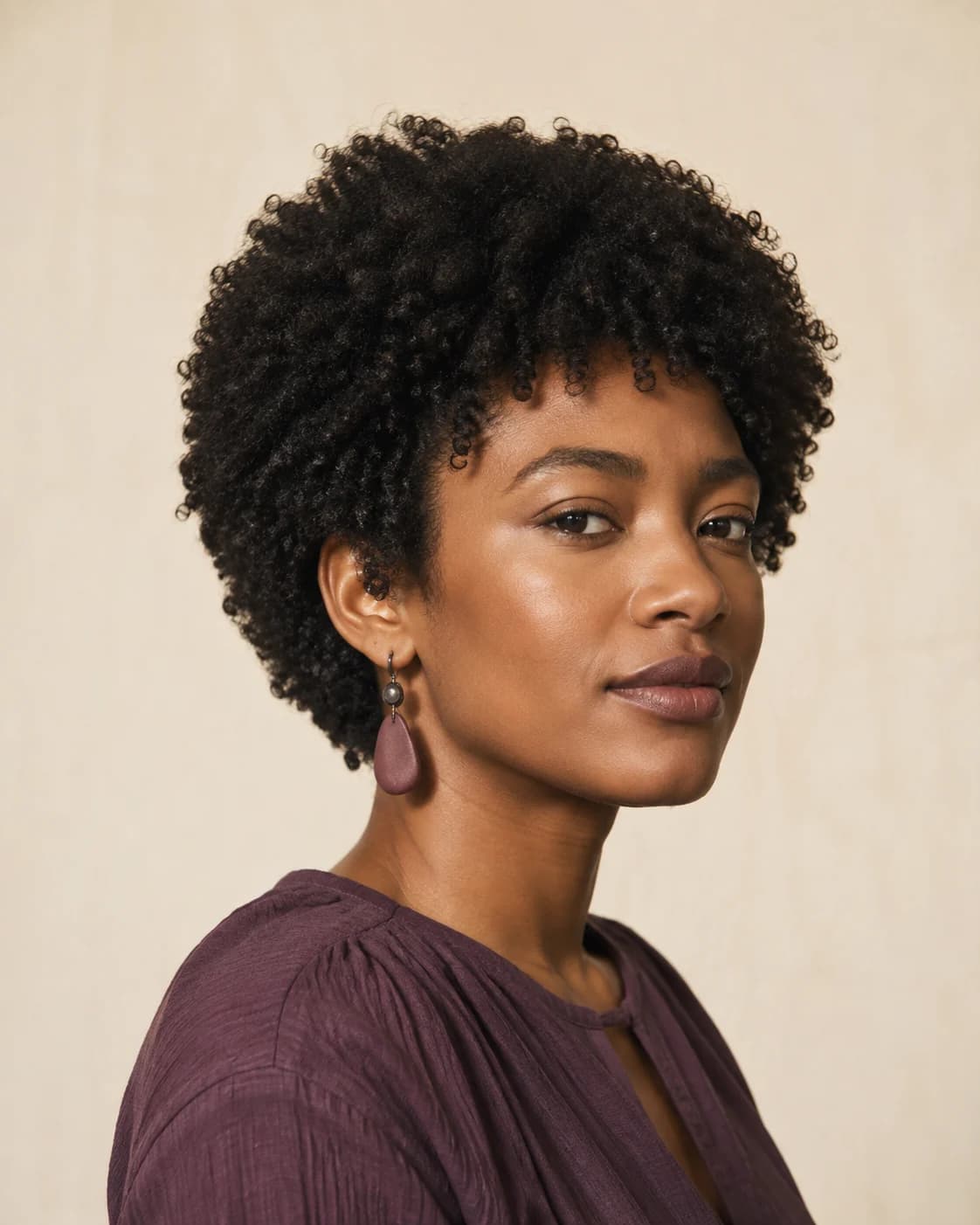 02
02Translate pattern, density, shrinkage, and strand thickness into a cut that works beyond wash day.
Open the desk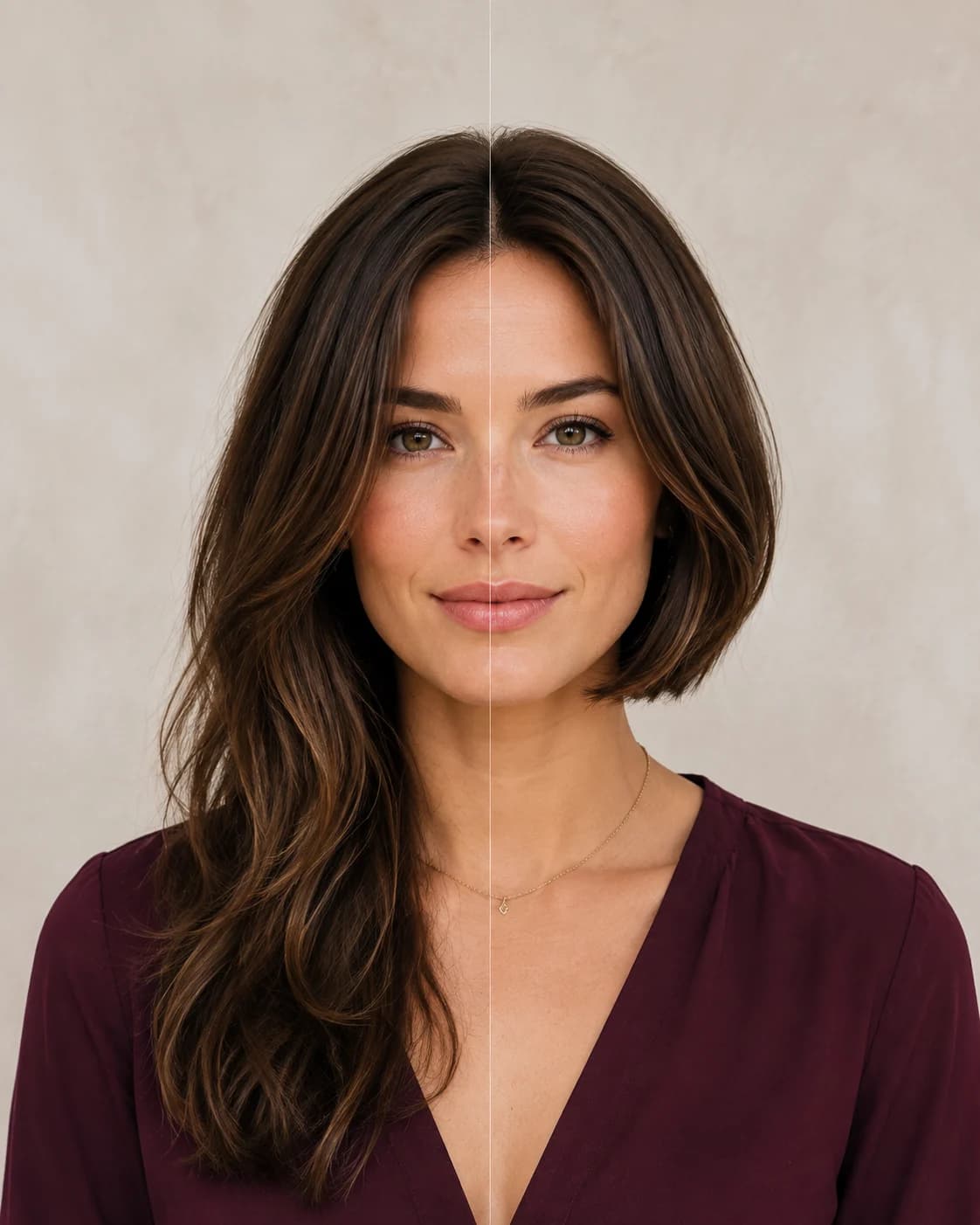 03
03Use a preview to narrow the direction, understand its limits, and arrive with a stronger salon brief.
Open the deskTEXTURE STRATEGY LAB / INTERACTIVE
Texture names are only a starting point. Select the pattern closest to your ordinary wash day and the density description that best matches what you see—not the option you think you should have.

Wavy hair rarely behaves as one uniform texture. The crown may lie flatter while the mid-lengths bend and the underside forms a stronger pattern, so the cut has to support more than one version of the same wash day.
Balanced wavy hair can shift from nearly straight to defined bends across the same week. The cut should make both states look intentional instead of depending on one perfect wash day.
SAY IT IN THE CHAIR“I switch between air-dried waves and a smoother finish. Please keep the layer transitions connected enough to work in both states.”
Use the combination as a question, not a diagnosis. Pattern and density can vary across the same head. Show your stylist the areas that behave differently and ask which part should lead the cutting plan.
CUT FORECAST / INTERACTIVE
A haircut is a moving shape. Select a direction, then move through three checkpoints to see what commonly changes, what to test at home, and when a refresh becomes useful.
 SHAPE STUDY / PRECISION BOB
A graphic bob depends on where the perimeter lands and how cleanly it clears the neck, jaw, or shoulder. Growth is not a failure—the line simply becomes a different design.
The perimeter remains close to its intended position, while your own drying pattern starts to reveal where the shape naturally tucks, flips, or expands.
Use this as a checkpoint, not a promise. Growth rate, texture, density, starting length, cutting technique, and daily styling can move every timeline. Judge the behavior you can see and feel.
REFERENCE QUALITY CHECK / INTERACTIVE
A strong reference does not promise an identical result. It isolates the detail you want and gives your stylist enough context to translate it to your starting hair.
The crown, sides, perimeter, and relationship to the jaw, neck, or shoulders should be visible together.
Choose the shortest point, outside line, volume placement, layer map, fringe opening, or finish—not simply “the vibe.”
Compare density, pattern, shrinkage, starting length, and finished state rather than focusing on the person’s identity.
Include one clear image of your own hair in its normal part and usual finish, especially if you arrive heat-styled or tied back.
One bolder direction and one lower-commitment version reveal your true boundary better than ten nearly identical screenshots.

The consultation desk
You do not need perfect stylist vocabulary. You need one clear change, one firm boundary, and an honest description of your routine.
Keep“I want to keep enough length to __________.”
Change“I want more / less weight around __________.”
Routine“Most days, I wear my hair __________.”
Boundary“I do not want the shortest piece above __________.”
“Please assess this on my natural texture first. I like the shape in these references, but I want the maintenance to fit my real routine.”
After the appointment
A haircut is not fully understood in the salon chair. Use the first wash, several ordinary mornings, and the grow-out to learn what should stay or change next time.
Look at the finished shape from the front, both profiles, and the back. Move the hair into your usual part and ask to see where the shortest layer and perimeter sit. If the salon finish is more polished than your normal routine, ask what the cut will do with less styling. Take one clear photograph of the back while the shape is visible; it becomes a useful baseline for future appointments and helps you remember what was changed.
The first home wash removes the professional finish and reveals the relationship between the cut and your own technique. Notice where the hair wants to separate, which areas gain or lose volume, and whether the perimeter still feels balanced. Do not expect to reproduce every detail from the salon. The more useful question is whether the structure gives you a workable starting point with the products, tools, time, and skill you actually use.
Wear the cut on a rushed morning, on a day when you style it properly, and on a second- or third-day refresh. Note what remains easy and what repeatedly asks for correction. A new fringe may need a different drying order; layers may need less product than before; a shorter perimeter may change how the ends meet clothing. Small adjustments are normal, but the routine should become clearer rather than more mysterious after several attempts.
When the shape begins to feel different, identify what changed first. Perhaps the crown became heavy, the fringe reached the eyes, the ends lost their line, or the face frame stopped connecting smoothly. Also note what grew out well. This gives your stylist specific information for the next version: keep the successful structure, adjust the area that changed too quickly, and decide whether the same maintenance rhythm still fits your life.

Grow-out & recovery
A fringe in your eyes, a pixie losing its outline, or layers that feel too short can trigger another impulsive cut. Start with the shape you have. Protect the length you need. Give the next appointment one precise job.
The library
Hair types6 min read
Cuts5 min read
Cuts5 min read
Cuts5 min read
Virtual try-on5 min read
Virtual try-on5 min read
The myth desk
Most bad haircut advice starts by turning a useful clue into a universal rule. Keep the clue; drop the certainty.
Face shape can help adjust placement, but it does not overrule texture, density, personal style, or routine. Two people with the same broad face-shape category may want opposite effects and have completely different hair behavior. Use face framing to create an emphasis you enjoy rather than trying to correct your features according to a rigid chart.
Layers can create lift and movement, but they also remove weight. On some hair they produce airy fullness; on other hair they expose sparse ends, encourage width, or require styling to separate properly. The useful question is where volume should appear and how much perimeter weight you want to keep—not whether layers are good or bad in general.
Low-maintenance means the work matches your routine. A blunt bob may need little daily styling on one texture but frequent trims to keep its line. Long layers may grow out quietly but require a blowout to resemble the saved image. Count both home styling and salon upkeep when deciding what “easy” means for you.
Removing weight can make dense hair more comfortable, yet indiscriminate thinning may create short pieces, fuzzy expansion, or ends that feel disconnected from the rest of the shape. The placement and method matter more than the general idea. Describe where bulk causes a problem and where you still want the hair to feel substantial.
A photograph combines cut, color, styling, lighting, density, and the model’s starting point. It is evidence of a direction, not a technical blueprint. The strongest consultation identifies the visible detail you want, the constraint you need respected, and the closest version that can work with your own hair and maintenance preferences.
Trend names are loose categories, not standardized cutting plans. One butterfly cut may begin at the cheekbones while another begins below the chin; one shag keeps a dense perimeter while another is intentionally fragmented. Ignore the label for a moment and compare the actual length, layer map, fringe, and outline before deciding what you want repeated.
 HAIR MUSE
From direction to decision
Try lengths, fringe shapes, styles, and color directions on your own photo. Compare the versions, save the strongest reference, and bring it into the consultation.
“Keep enough length to tie it back. Let the perimeter land clear of the shoulder.”
How we write
HairChapter is an editorial project from the team behind Hair Muse. We explain the tradeoffs, show where a rule stops working, disclose the connection to the app, and keep professional judgment in the process.
Face shape, age, and gender do not grant or remove permission for a haircut. We use proportion as an optional design tool and give texture, density, routine, personal style, and comfort equal or greater weight.
Names such as butterfly, wolf, shag, clavicut, and curtain fringe are inconsistent across photos and salons. We break them into length, perimeter, layer map, face frame, finish, and upkeep so the useful idea survives the label.
Haircut structure can change shape and remove weathered ends; it cannot diagnose or treat sudden shedding, patchy loss, scalp pain, or persistent irritation. Those signs deserve assessment from a qualified medical professional.
An AI image can help compare broad directions on a familiar face. It cannot know the full condition, chemical history, growth pattern, shrinkage, or technique a real service requires. The final plan belongs in a professional consultation.
Before the chair
Start with texture, density, routine, growth patterns, and maintenance. Face shape can adjust details, but it should not make the entire decision.
A low-maintenance cut works with your natural texture, grows out cleanly, and fits the amount of styling and salon upkeep you realistically want to do.
Yes—as a conversation starter. Use it to compare length and overall direction, then ask your stylist to adapt the idea to your real hair.
Two or three focused references are enough. Point to the exact detail you like and bring one honest photo of your current hair.